What is Simultaneous Thermal Analysis (STA)?
The Power of Synchronized Material Characterization
Simultaneous Thermal Analysis (STA) refers to the simultaneous application of Thermogravimetric Analysis (TGA) and Differential Scanning Calorimetry (DSC) (or Differential Thermal Analysis, DTA) to a single sample in one instrument. Instead of running two separate experiments, STA allows you to see how a material's weight changes and how heat flows in and out of it at the exact same moment.
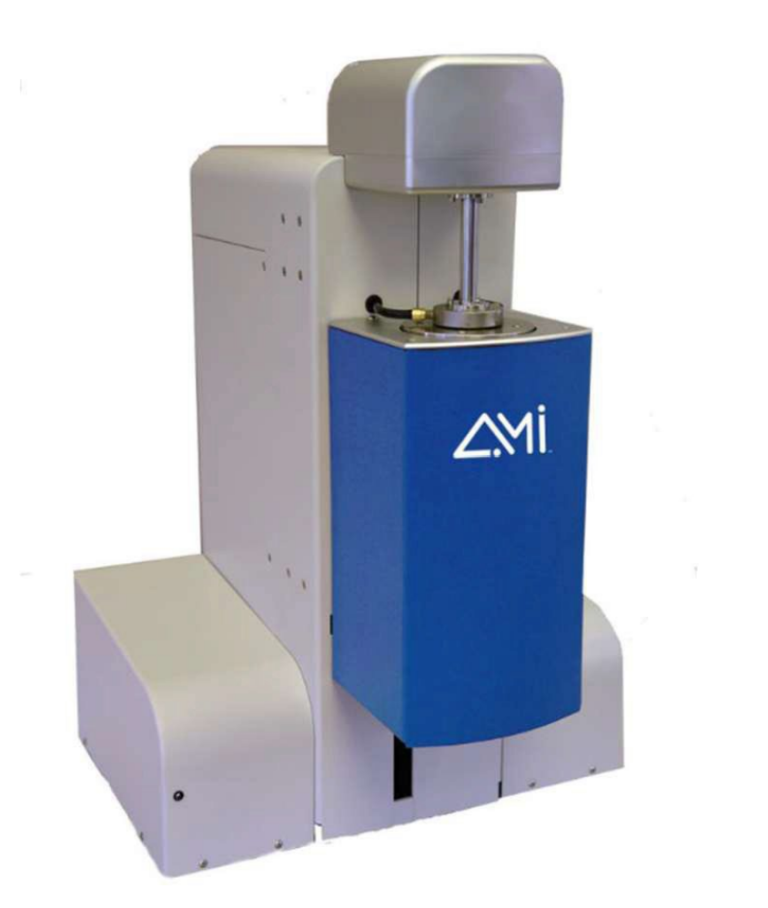
How Does STA Work?
The magic of STA lies in its hardware integration. The system features a high-precision microbalance (for TGA) that supports a sensor capable of measuring heat flow or temperature differences (for DSC/DTA).
The magic of STA lies in its hardware integration. The system features a high-precision microbalance (for TGA) that supports a sensor capable of measuring heat flow or temperature differences (for DSC/DTA).
- One Sample, One Furnace: Both measurements are performed under the same atmosphere, heating rate, and pressure.
- Correlating Events: By looking at the TGA and DSC curves on the same timeline, you can distinguish between physical transitions that involve mass loss (like evaporation) and those that don't (like melting).


Why use STA instead of separate TGA and DSC?
- Elimination of Inconsistency: When you test two different samples in two different machines, small variations in sample preparation or furnace atmosphere can lead to different results. STA eliminates these variables.
- Precision in Interpretation: You can perfectly correlate a DSC peak with a TGA weight loss step. For example, if you see an endothermic peak without weight loss, it’s likely melting (Tm). If there is weight loss, it’s likely decomposition or evaporation.
- Efficiency: It saves time and uses less of your sample, which is crucial if you are working with expensive or limited materials.
Key Applications
- Inorganic Materials & Ceramics: Measuring high-temperature phase transitions and sintering behavior.
- Polymers: Studying thermal stability, oxidation, and the effect of additives.
- Geology: Analyzing the decomposition of minerals and carbonate content.
- Chemical Reactions: Tracking multi-step reactions where both energy change and mass change occur.
Powered by
MakeWebEasy.com